

How Should a Compact Industrial UV Cell Be Integrated into a Factory?
- by John White
Start UV printing without the floor space — compact flatbed printers built for small shops.

Factory integration requires more than reserving machine space. A compact industrial UV cell must connect material release, fixtures, electrical and environmental controls, artwork or production data, quality approval, maintenance, traceability and escalation ownership. The site is ready when the complete production route can be demonstrated safely with the intended part.
Define where unqualified parts arrive, where they are cleaned or pretreated, how approved lots are identified, how fixtures are stored, where printed output is inspected and how rejects are isolated. Crossing clean and contaminated flows can create adhesion failures that look like printer problems.
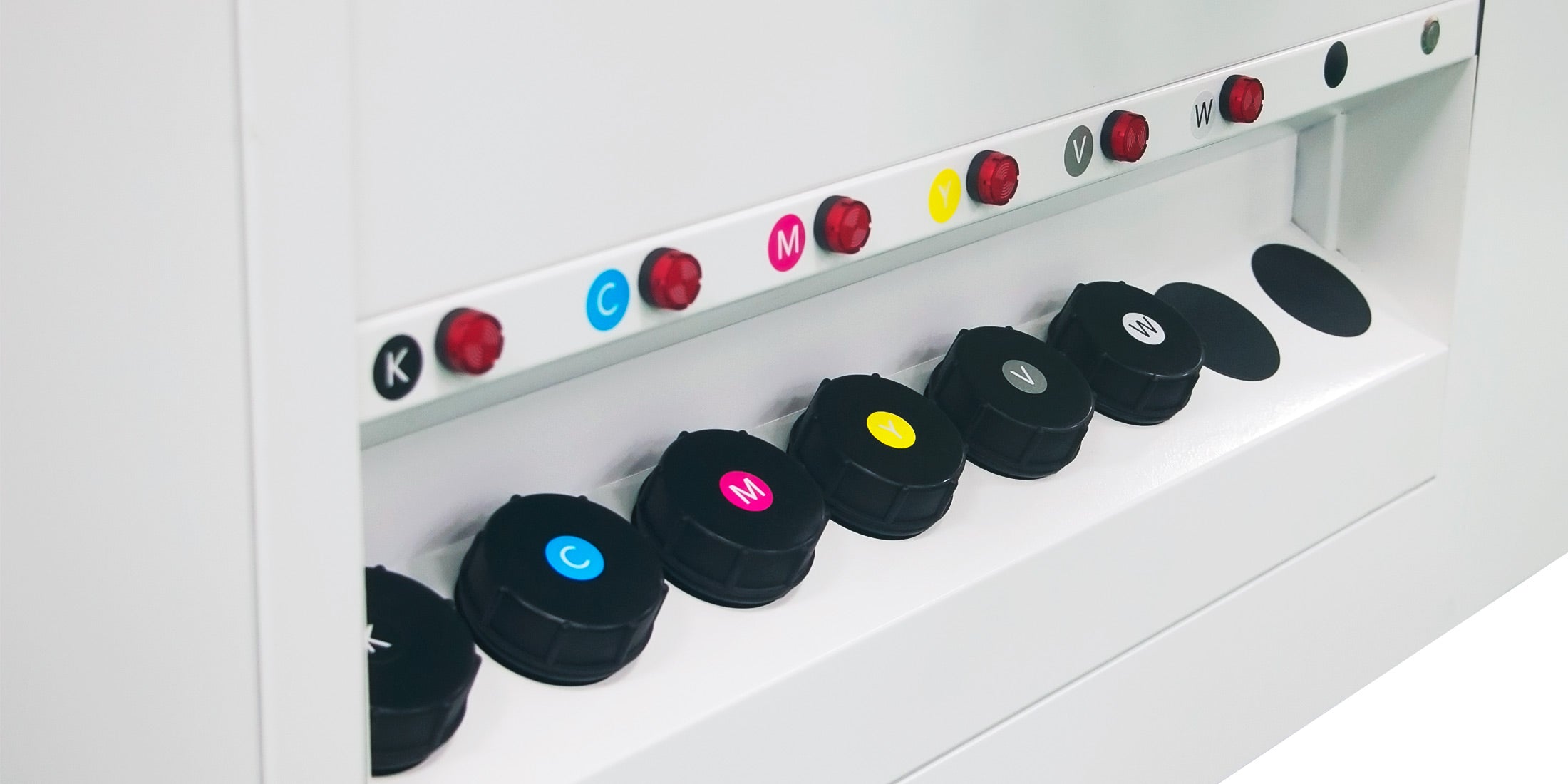
Confirm the purchased configuration’s electrical supply, grounding, computer and network requirements, room conditions and chemical-handling information. The factory owner should assign qualified local responsibility; supplier documentation should define equipment requirements. Do not copy values from another installation.
Define the source of artwork or variable data, revision approval, file naming, user permissions, backup and archive. If the factory uses ERP, MES or a traveler, decide which identifier links the part lot, artwork revision, fixture, recipe and inspection record.
| Integration interface | Release question |
|---|---|
| Incoming material | Can the operator confirm part and lot identity? |
| Digital file | Is only the approved revision available? |
| Fixture | Is the correct fixture verified and within service life? |
| Quality | Are first-article and stop criteria written? |
| Maintenance | Are tasks, spares and escalation owners assigned? |
A generic demonstration can confirm basic operation but cannot release the factory process. Commissioning should include an identified production part, approved artwork, fixture, recipe, first-article criteria, operator training and an agreed batch or sustained run.
Use the small industrial UV collection for application context and the AJ1206 product page for published equipment information. The requirements checklist can be converted into commissioning evidence.
| Risk | Operational consequence | Mitigation |
|---|---|---|
| Uncontrolled file revision | Wrong graphics or variable data | Released directory and revision owner |
| Mixed part lots | Adhesion or positioning variation | Lot identity at the cell |
| Unverified fixture | Collision or repeated misalignment | Fixture ID and acceptance record |
| No reject isolation | Failed parts re-enter packing | Physical status zones |
| Undefined escalation | Production continues through drift | Stop limits and named technical owner |
Facilities owns utilities and room release; IT owns access and backup; engineering owns process qualification; quality owns acceptance and traceability; production owns standard work; maintenance owns preventive tasks and spares; the supplier owns the agreed installation, training and support scope. The commissioning plan should name people, not only departments.
An unresolved interface should remain an open action with due date and risk. Signing the machine acceptance while production-data access or material qualification remains open should not be mistaken for full process release.
A compact industrial UV cell is ready when material, data, equipment, quality and ownership work as one controlled route. Integration acceptance should therefore be based on a traceable production demonstration, not machine power-on alone.
Facilities, production, quality, IT and the supplier should each approve their defined responsibilities.
It may support basic checks, but it cannot validate the intended production process.
Keep site approval, configuration, training, first-article, run results and unresolved action ownership.
UV Printer Installation, Commissioning and Operator Training: What Buyers Must Plan For
Knowledge
How a Pre-Order UV Printer Sample Test Works: What to Send and What You Get Back
Knowledge
Order to Delivery: How UV Printer Lead Time Is Actually Built
Knowledge
What MOQ Applies to a UV Printer Order, and When Customisation Changes It
Knowledge