

What Drives Compact UV Printing Operating Cost?
- by John White
Start UV printing without the floor space — compact flatbed printers built for small shops.

Compact direct-to-object UV printing cost is driven by accepted-job ink and consumables, setup and production labor, spoilage, maintenance consumption, energy, fixtures, packaging and allocated equipment overhead. A B2B factory should estimate cost per accepted job, label every assumption, test the highest-risk product and compare sensitivity to yield, setup time and utilization before committing to a production configuration.
Variable costs include blank products, ink, primer when required, cleaning materials, protective packaging and waste that follows volume. Job-specific costs include artwork preparation, fixture work, test pieces, first-article approval and changeover labor. Indirect costs include quoting, administration, software, floor space, equipment ownership and planned maintenance.
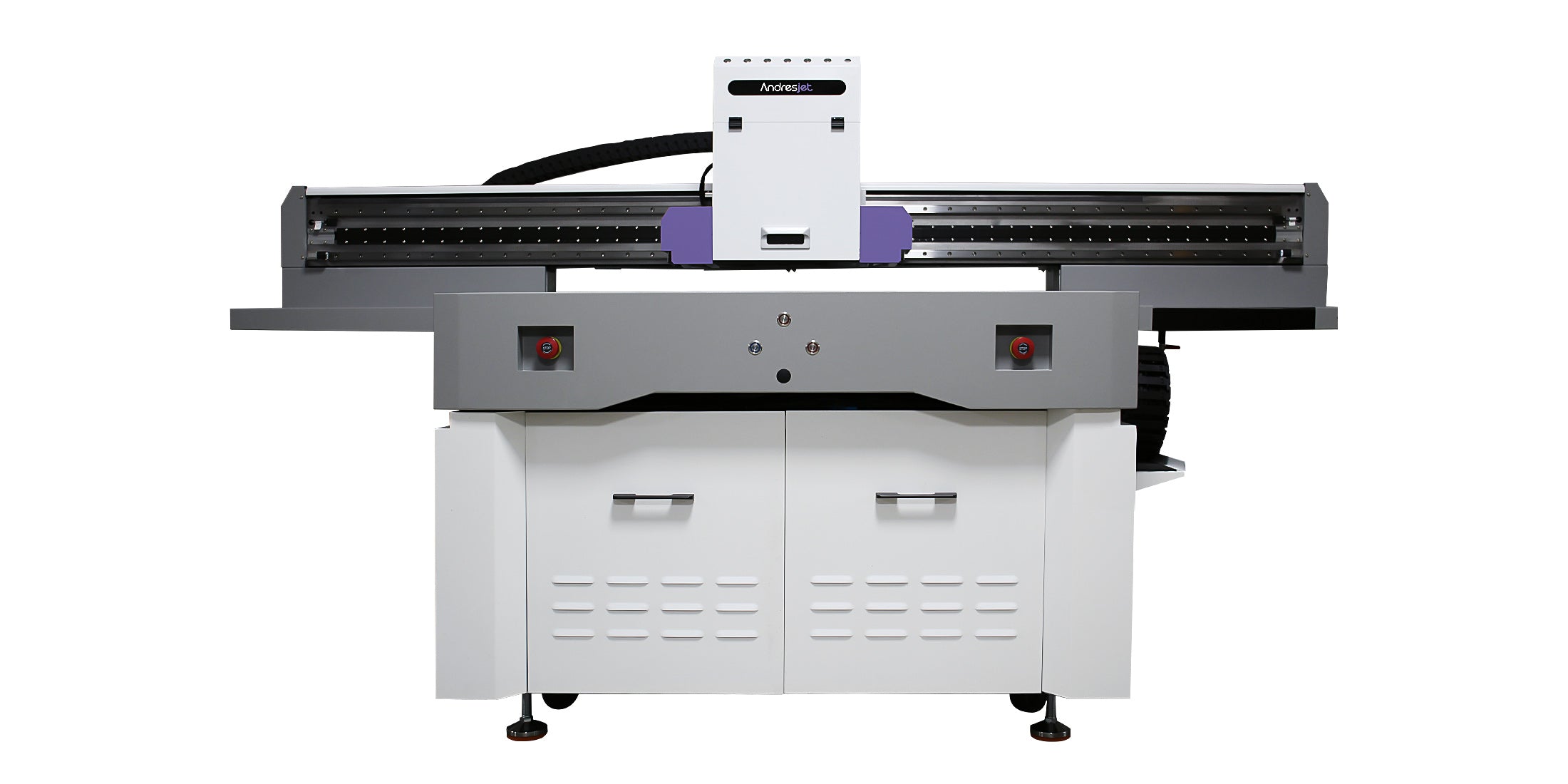
The compact UV flatbed printer collection provides category context for direct-to-object production.
Separate recurring production from one-time engineering. A repeat order using an approved fixture and file should not carry the same setup assumption as an unqualified object. Keeping those categories visible helps sales explain minimum order value and revision charges.
Cost per accepted job = total direct cost + allocated setup + allocated indirect cost, divided by accepted jobs. Use accepted output rather than loaded output when spoilage is material. For mixed products, calculate by job family instead of using one factory-wide average.
The custom UV printing pricing guide shows how measured production cost flows into a quotation.
Illustrative 50-piece job: blanks $75, ink and preparation consumables $14, setup and production labor $66, spoilage $9, packaging $12 and allocated indirect cost $24. Total estimated cost is $200, or $4.00 per accepted piece if all 50 are accepted. At 94% acceptance, only 47 pieces are sellable and cost rises to about $4.26. These figures demonstrate the method; they are not AndresJet prices.
| Cost input | Illustrative amount | Evidence source |
|---|---|---|
| Blank products | $75 | Purchase record |
| Ink/preparation | $14 | Measured job usage |
| Labor | $66 | Timed setup and run |
| Spoilage | $9 | Job-family history |
| Packaging | $12 | Bill of materials |
| Indirect allocation | $24 | Finance policy |
Run sensitivity for acceptance yield, setup time, pieces per load, utilization and blank-product cost. Ink may attract attention, but low utilization, repeated setup or expensive rejected blanks can dominate the result. Change one assumption at a time so management can see the real cost driver.
A procurement team should compare the same workload and allocation rules across equipment options. Do not combine a mature repeat job on one option with an unqualified first run on another.
Use production records rather than a universal millilitre estimate. Coverage, white underbase, varnish, cleaning cycles, idle periods and maintenance condition affect consumption. Record job file, mode, accepted output and start/end inventory or validated RIP estimate where appropriate.
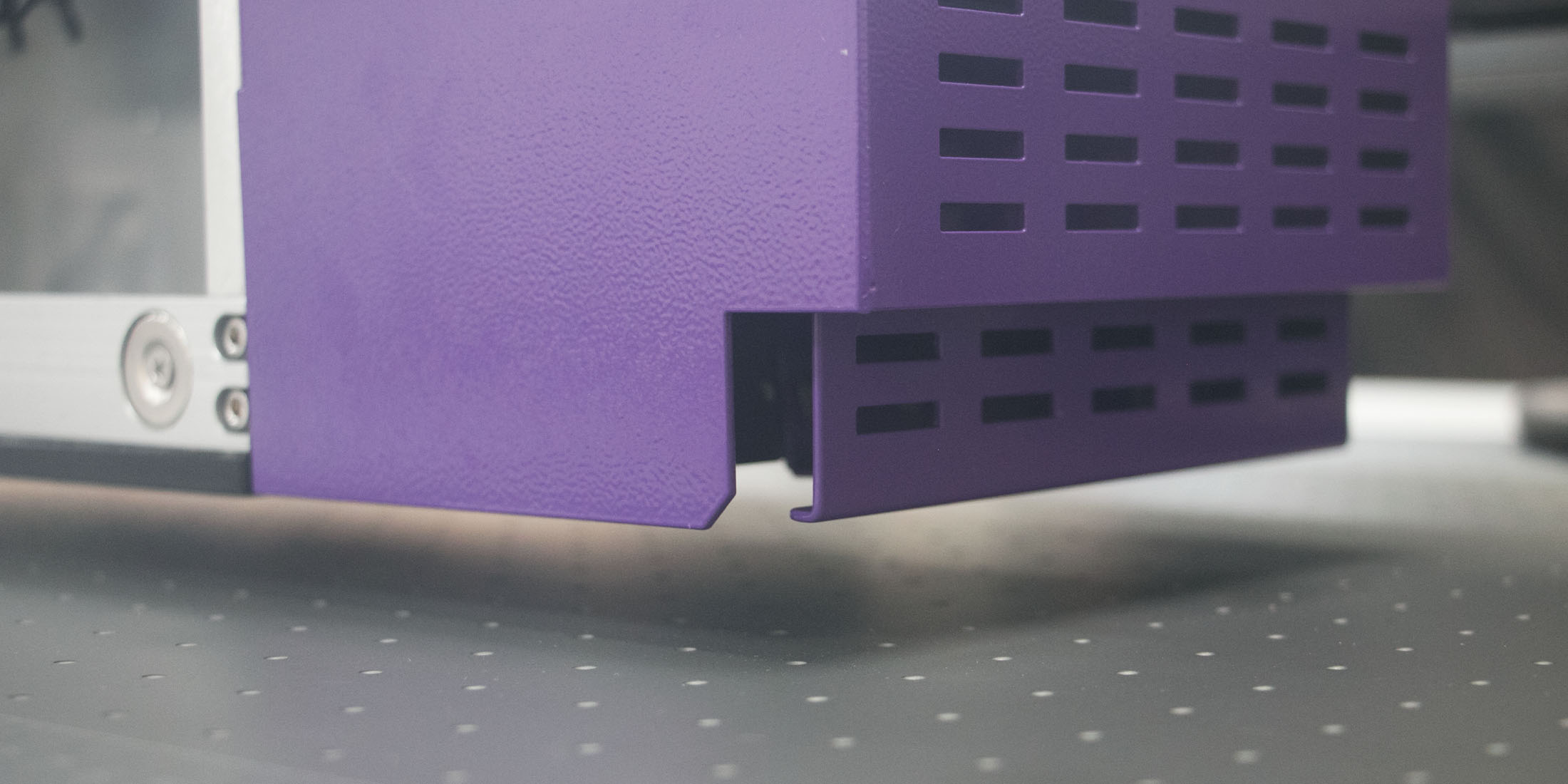
Maintenance consumption belongs in the cost model even when it is not assigned to one customer order. Operator discipline, environment, ink chemistry and usage pattern also influence maintenance; no fixed print-head life should be assumed without verified evidence.
Time file preparation, cleaning, fixture loading, first-article approval, print, unloading, inspection, rework and packing. Record accepted and rejected output separately, together with failure cause. The pilot should use the difficult recurring object rather than the easiest demonstration piece.
Review published machine information on the AJ1206 product page, then replace illustrative inputs with pilot-job measurements.
Finance owns allocation and margin policy; production owns measured setup, cycle and yield; procurement owns material prices; sales owns order mix and service promises. Record the version and review actual versus estimated cost after the first batches.
Without the buyer’s blank cost, artwork, substrate, ink build, order volume, labor rate and utilization, no article can state a defensible operating cost. The useful output is an auditable worksheet and sensitivity range.
The cost model should show what the shop spends to produce accepted output. Selling price is a separate commercial decision that also considers margin, market position, design value, urgency and customer service. Mixing the two hides whether a low margin comes from production waste or from the quoted price.
Use the same boundary every time. Include the blank, measured ink and consumables, direct labor, job-specific preparation, expected reject allowance and a documented share of maintenance and equipment overhead. Record shipping and packaging separately when they vary by order. Do not use a competitor's published ink cost as an AndresJet operating assumption.
A single cost estimate can look precise while depending on uncertain inputs. Recalculate the job with a lower first-pass yield, longer setup, a smaller batch and fewer productive hours. If one modest change removes the margin, that input requires a pilot measurement before the shop commits to the price or equipment plan.
| Assumption to test | Evidence to collect | Decision affected |
|---|---|---|
| First-pass yield | Accepted pieces divided by pieces started | Reject allowance and delivery buffer |
| Setup labor | Timed file, fixture and approval work | Minimum order and setup charge |
| Utilization | Productive hours over available hours | Allocated equipment cost |
| Ink build | RIP estimate checked against actual consumption | Job-specific consumables |
Compact UV printing cost should be managed per accepted job, with setup, yield, blank value, maintenance consumption and utilization kept visible. Replace teaching assumptions with timed pilot data and reconcile estimates after early batches. AndresJet can provide configuration and sample support, but pricing and investment decisions should use the buyer’s own labor, order mix, waste and allocation policy.
Not necessarily. Blank cost, setup labor, rejection and low utilization may be larger. Measure the complete accepted job.
Only inside a documented ownership-cost allocation that includes useful life, utilization, financing policy and maintenance assumptions.
Update after representative pilot and production batches, and when material price, job mix, labor, process or utilization changes materially.
UV Printer Installation, Commissioning and Operator Training: What Buyers Must Plan For
Knowledge
How a Pre-Order UV Printer Sample Test Works: What to Send and What You Get Back
Knowledge
Order to Delivery: How UV Printer Lead Time Is Actually Built
Knowledge
What MOQ Applies to a UV Printer Order, and When Customisation Changes It
Knowledge