

What Should You Ask Before Quoting a Custom UV Print Job?
- by John White
Print bigger, print faster — wide-format UV flatbed printers for signs, decor and industrial work.

An accurate custom UV print quotation begins with qualification, not a price-per-piece guess. Sales must collect the object construction, dimensions, printable area, quantity, artwork, appearance, durability, packing and deadline, then route technical risks to engineering. A quote should remain conditional when the substrate, coating or production method has not been tested.
Request a physical sample, technical description or supplier part number. Record base material, coating, color, flatness, thickness, raised features and dimensional variation. “Plastic,” “metal” or “phone case” is not a sufficient production specification.
When the object family fits compact direct-to-object work, the small-business collection provides useful application context. Final fit still requires the actual object dimensions and loading method.
Ask for order quantity, number of designs, personalization count, delivery date, reorder frequency and acceptable partial shipments. One hundred identical pieces and one hundred unique names are different prepress, loading and inspection jobs even when the physical object is the same.
Clarify white opacity, color reference, gloss or matte appearance, texture, varnish placement, edge quality and viewing distance. For durability, ask what the object will contact: fingers, cleaners, moisture, sunlight, abrasion, heat or assembly operations. Translate vague requests such as “permanent” into a test method and pass/fail condition.
Require testing when the material or coating is unknown, primer may be necessary, geometry challenges clearance or registration, color matching is critical, durability is claimed, or the quantity makes failure expensive. A sample fee or conditional quotation is safer than hiding unverified assumptions in the price.
| Lead condition | Routing |
|---|---|
| Known object and approved repeat recipe | Standard quotation |
| Known geometry, new artwork | Prepress review |
| New coating or durability requirement | Application test |
| Unclear dimensions or unsafe features | Engineering review |
| Impossible deadline or missing decision maker | Clarify or decline |
The final record should contain customer objective, object identity, drawings or photos, quantity, artwork revision, acceptance criteria, sample status, assumptions, exclusions, price validity and routing owner. Information collected for the quotation should transfer into the job traveler rather than being re-entered from memory.
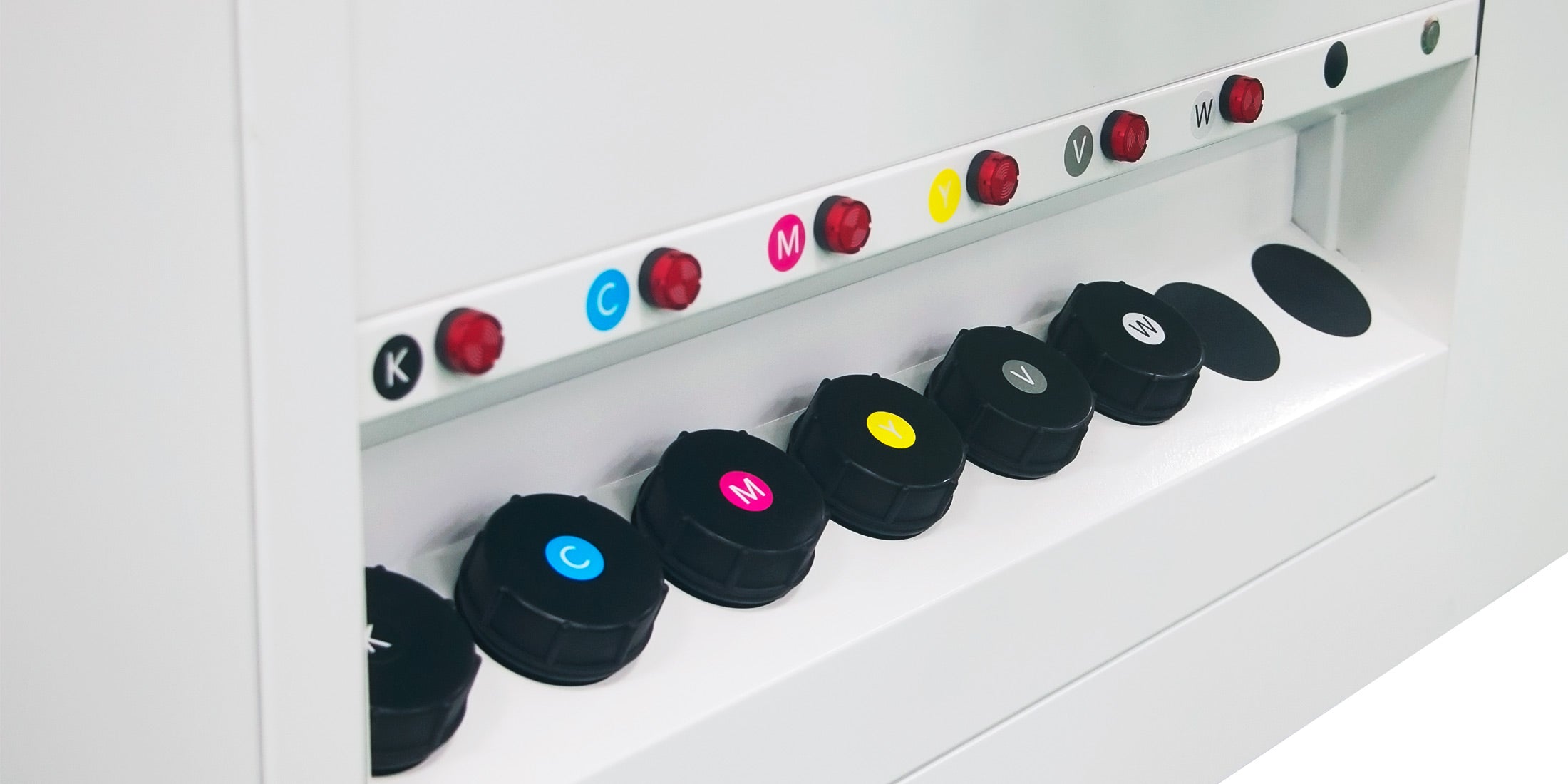
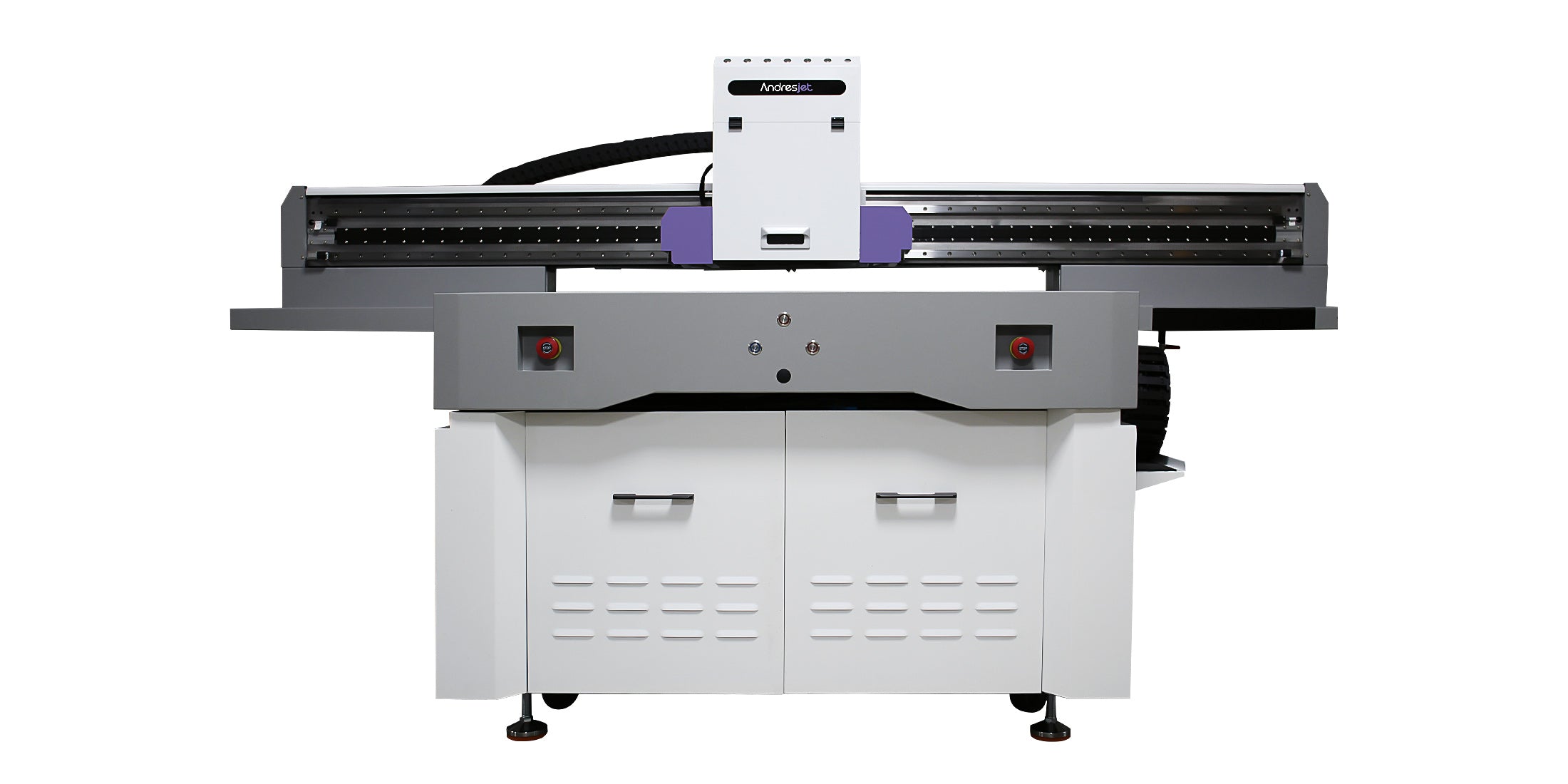
Published machine boundaries are available on the AJ1206 product page. A buyer seeking a configuration recommendation should send representative objects, artwork, quantities and acceptance requirements instead of requesting a universal price.
A request for 500 branded plastic cases is incomplete. Qualification reveals three case models, two coatings, five artwork versions and a cleaner-resistance expectation. The correct route is to separate the models, obtain coating samples, approve one file per version and quote production after adhesion and handling tests. The original one-line request cannot support a fixed, unconditional price.
This example shows why qualification creates commercial value: it converts a vague lead into a testable scope or identifies early that the opportunity should not enter production planning.
Qualification protects margin and delivery credibility. The strongest quote states what is known, what was tested, what remains conditional and which change would require a revised price or schedule.
Yes, but it should state material and performance assumptions and remain subject to validation where risk is material.
An undefined object or durability claim combined with a fixed price and urgent deadline.
A named engineering or production owner, not sales alone.


