

- by John White
How Should Leather and Faux Leather Be Prepared for UV Printing?
- by John White
Print bigger, print faster — wide-format UV flatbed printers for signs, decor and industrial work.

Reliable UV ink adhesion on leather and faux-leather printing starts with identifying the exact surface or coating, removing contamination without damaging the material, deciding whether pretreatment or primer is required, and validating the result on production stock. A B2B factory should approve a controlled preparation recipe and record substrate lot, cleaning method, cure settings and test result before batch release.
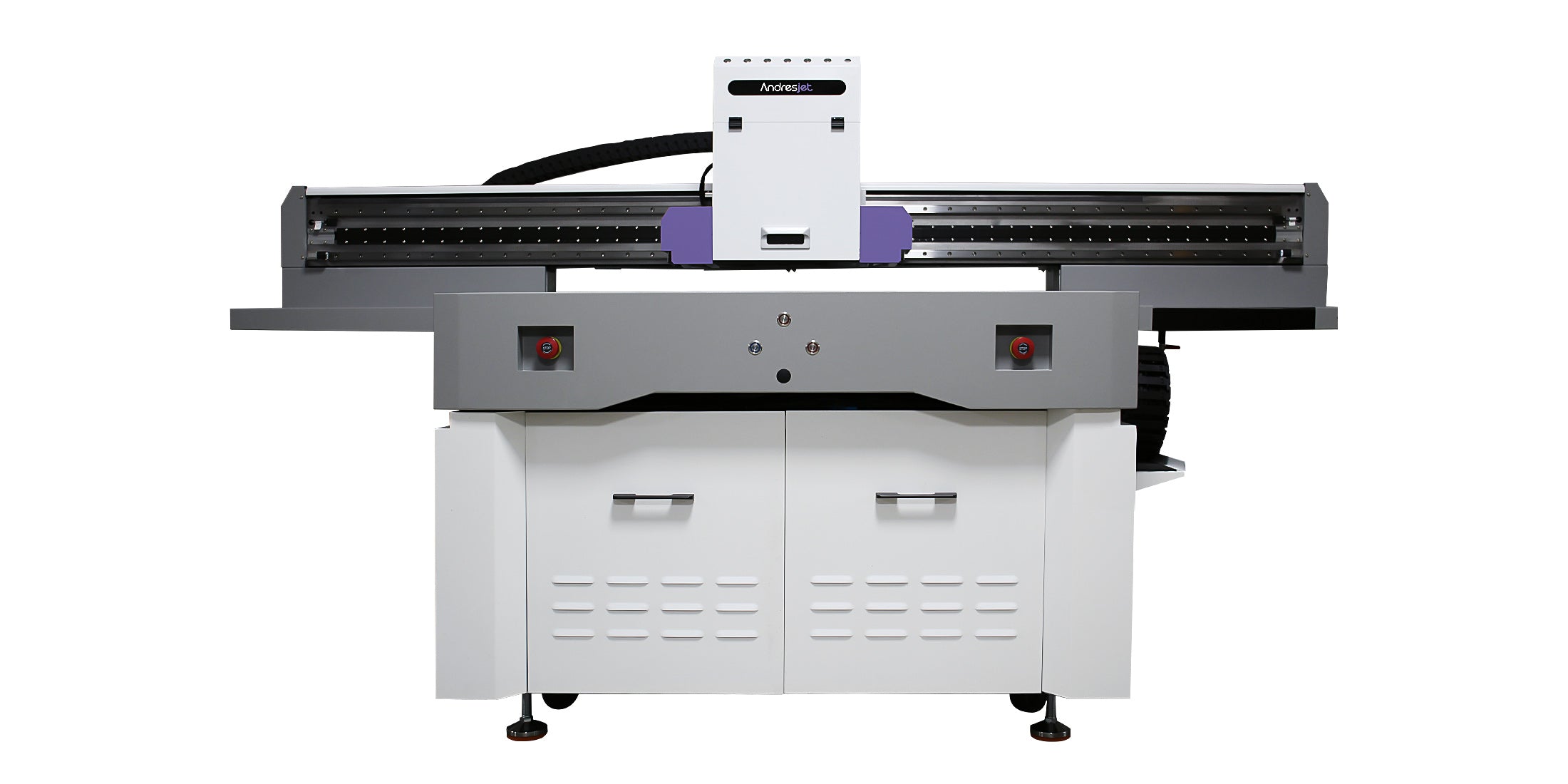
Adhesion can fail because of low surface energy, mould release, plasticizer migration, oils, dust, protective films, inconsistent coatings or an unsuitable ink/cure combination. Natural leather varies in finish, oils and texture; faux leather varies in polymer, plasticizer and topcoat. Strong solvents, heat or aggressive abrasion can discolor, swell or embrittle the surface, so every preparation step needs a hidden-area test.
Do not diagnose adhesion by appearance alone. Separate contamination, surface chemistry, ink deposit and curing variables, then change one factor at a time.
Record supplier, grade, color, coating, texture, lot and storage history. A material name is not enough: two visually similar products may use different additives or topcoats.
Keep an untreated control sample. If the factory receives several suppliers or lots, qualify the boundaries rather than assuming the first result applies to all stock.
Wear appropriate protection, review the relevant safety data, remove loose dust, test the cleaning agent on a hidden area, use a lint-free method and allow the surface to dry. Prevent cleaned pieces from being touched or returned to a contaminated stack.
When pretreatment or primer is considered, define application amount, coverage, drying or activation condition and maximum time before printing. Obtain supplier guidance and confirm workplace controls.
Test an untreated control and a limited set of preparation options using the same file, ink layers, print mode and cure condition. Include at least one repeat. Record observations before changing another variable.
ASTM D3359 provides tape-test context for coating adhesion, but suitability and acceptance criteria depend on the substrate, coating thickness, geometry and end use. Do not claim compliance unless the method is correctly applied and documented.
| Variable | Level A | Level B | Record |
|---|---|---|---|
| Cleaning | Approved cleaner | Alternative/none | Method and dry time |
| Primer | None | Candidate primer | Application amount |
| Cure | Baseline | Adjusted verified setting | Mode and observation |
| Evaluation | Initial | After conditioning | Pass/fail and failure mode |
The approval package should contain the material ID, preparation steps, file, print recipe, sample photo, test result and approver. Define what triggers requalification, such as a new supplier, coating, color, primer or ink batch.
Use the leather and faux-leather printing printer collection to review application fit and the AndresJet product page for the relevant machine path. Request a sample using production stock before releasing a commercial claim.
Surface preparation is a controlled manufacturing step, not a generic wipe. The best recipe is the least complex method that repeatedly meets the customer’s adhesion and handling requirement without damaging the substrate.
Qualify leather and faux-leather printing by identifying the surface, controlling cleaning, testing pretreatment choices and approving a documented recipe. Re-test when the material or process changes, and keep limitations beside every compatibility claim.
For the complete decision path, continue with the uv printing leather, fabric & textiles guide.
No. Natural leather varies by finish and oils, while faux leather varies by polymer, plasticizer and topcoat. Qualify each defined material.
It can also discolor, swell or embrittle the surface. Review safety information and test any cleaner on a hidden area before production.
Yes when flexing is part of handling or use. Define the bend condition and inspect cracking, whitening, delamination and surface damage.


