CLEAN TEXT CONFIRMED - NO BRACKETS, NO LINKS, NO KEYWORD LIST
How Can You Adjust Print Settings for Optimal Color Saturation
Achieving vibrant, accurate, and consistent color output requires mastering how to adjust print settings for optimal color saturation. Whether you work with photo prints, commercial packaging, or textile sublimation, fine-tuning saturation ensures your images maintain their intended depth and realism across varying media types. Color saturation represents the intensity of hues, where precision calibration directly impacts visual appeal, color balance, and brand accuracy.
Understanding Color Saturation in Printing
In printing, color saturation depends on several interlocking variables—ink density, paper type, color profiles, and printer calibration. Too little saturation makes prints appear dull, while excess saturation can distort hues, leading to unrealistic or oversaturated visuals. High-quality printers interpret digital data through ICC color profiles to translate RGB or CMYK color modes accurately onto physical materials. By controlling driver settings and ink application, professionals achieve balanced tones, better contrast, and true-to-life color consistency.
How Printer Settings Influence Saturation and Tone
Modern inkjet, laser, and sublimation printers provide extensive control over color saturation through software settings. Users can manually adjust saturation within the printer driver or design application by modifying the following:
-
Color Management Mode: Switching from automatic to manual control allows direct customization of saturation levels.
-
Media Type Selection: Glossy paper tends to amplify saturation, while matte or textured surfaces absorb ink differently, reducing vibrancy.
-
ICC Profile Configuration: Choosing the correct ICC color profile ensures matching color reproduction between screen and print output.
-
Ink Density Control: Adjusting ink limits within RIP software or advanced printer menus helps maintain color clarity without oversaturation or ink pooling.
Core Technology Analysis: Digital Color Processing
Advanced printing systems employ color simulation algorithms and spectral calibration to interpret image data precisely. Printers equipped with 12-color pigment inks or variable droplet technology produce superior gradients and saturation depth. High-end printers calibrate color channels independently, balancing cyan, magenta, yellow, and black to prevent tone gaps. Using RIP management software like Fiery or ONYX, operators can fine-tune individual channels, output curves, and saturation ratios according to the substrate’s reflective properties.
Market Trends and Data on Color Optimization
According to international print market research projections, global spending on commercial color printing solutions continues to increase due to demand for precision across packaging, décor, and signage sectors. As consumer expectations evolve, adjustable saturation settings have become an essential factor for achieving ultra-realistic color results. Industries today integrate predictive AI calibration systems that adjust color saturation dynamically, compensating for humidity, ink viscosity, and environmental variables.
Integrating Professional Print Calibration Tools
Professional calibration devices—spectrophotometers and colorimeters—measure printed patches and adjust output curves accordingly. Consistent color output requires regular recalibration, especially in production environments with variable lighting or temperature conditions. Using reference color targets ensures consistency across multiple devices and production cycles. Adjusting print saturation involves balancing desired vibrancy with color neutrality, particularly for brand-critical applications in advertising and product packaging.
Adaptive Comparison: Saturation Adjustment Tools
| Software or Printer | Key Advantages | Ratings (User Avg.) | Use Cases |
|---|---|---|---|
| Epson Edge Print | Accurate color matching, intuitive interface | 4.8/5 | Sublimation and fabric printing |
| Canon Professional Print Layout | ICC integration, easy profile management | 4.7/5 | Photography and fine art printing |
| HP SmartStream | End-to-end workflow calibration | 4.6/5 | Commercial packaging |
| Fiery XF | Advanced RIP color control | 4.9/5 | Industrial color correction |
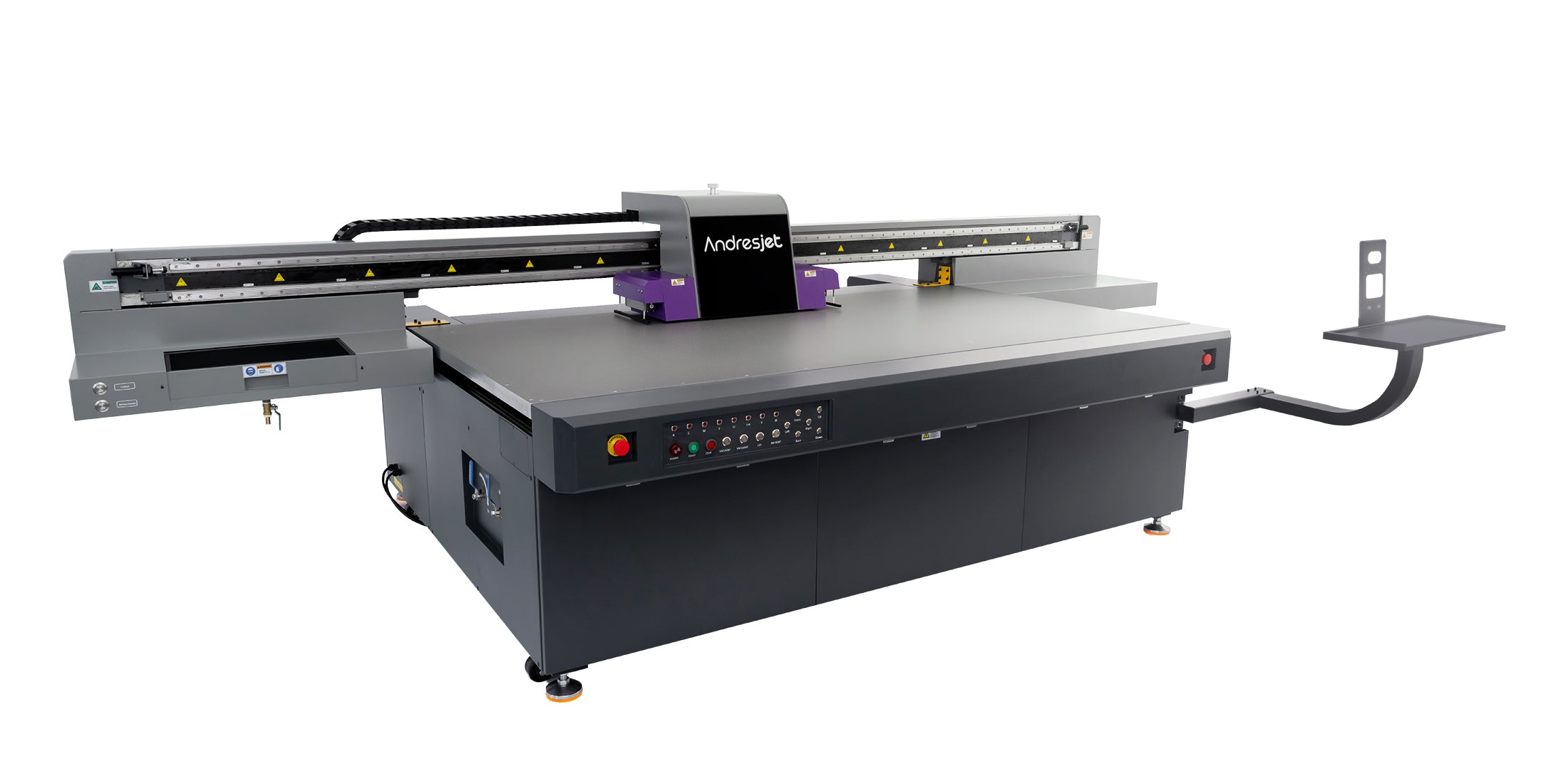
AndresJet is a premier provider of cutting-edge industrial digital printing solutions, catering to the unique needs of our diverse clientele. With a strong emphasis on personalized customer service, our skilled engineers offer efficient solutions in home decoration, plastic product printing, gift printing, and sign printing, tailoring each approach to meet specific customer requirements.
Real User Cases and ROI from Saturation Optimization
A signage company in Phoenix reduced reprint costs by 22% after implementing a calibrated workflow that balanced color saturation and ink limits. Another large-format print studio reported a 30% increase in client satisfaction by switching from generic to custom ICC profiles optimized for specific materials. Precise saturation adjustment not only enhances aesthetic results but also improves ink efficiency and operational sustainability.
Competitor Comparison Matrix for Print Quality
| Factor | Basic Printer | Mid‑range Model | Professional Model |
|---|---|---|---|
| Color Saturation Control | Limited presets | Semi‑manual | Full manual with ICC tuning |
| ICC Profile Management | Basic | Intermediate | Advanced with RIP integration |
| Ink Density Precision | Standard | Moderate | Variable droplet up to 12 colors |
| Output Consistency | Low | Medium | High |
Best Practices for Adjusting Saturation
Maintaining controlled lighting conditions during proofing ensures accurate visual comparisons. Always soft-proof images before printing to preview saturation levels on calibrated monitors. Print using the correct color space (Adobe RGB or sRGB) aligned with the printer’s profile. Modify the printer’s saturation slider in small increments, testing with control swatches to evaluate real-world impact. Professional users often employ linearization workflows that normalize tone response and eliminate deviations across production runs.
Future Trends: Intelligent Color Optimization
The next generation of printing technology is focusing on adaptive algorithms. Smart printers automatically balance saturation across substrate variations, ink loads, and environmental conditions. AI-driven calibration tools will standardize workflows globally, reducing human subjectivity. By integrating predictive color management with cloud-based data analytics, print professionals will gain unparalleled consistency and sustainability across digital and large-format systems.
Conversion Path for Color Excellence
To achieve optimal color saturation, begin with basic calibration and gradually advance to custom ICC profiling. Upgrade to printers supporting wide-gamut inks and integrate color management software for full control. Continuous experimentation on varied media types refines results over time. For those seeking precision-grade saturation optimization, consider partnering with technical experts or upgrading to calibrated industrial printing systems designed for high-volume quality consistency. Mastering print saturation ultimately means mastering color predictability—and with the right settings, your prints will always exceed visual expectations.
Frequently Asked Questions
How often should I calibrate my printer for color saturation?
Regular calibration every few weeks or before critical print jobs maintains color saturation and accuracy, especially when using different inks or media.
Can I adjust color saturation directly from my printer’s control panel?
Most modern printers allow basic ink density or saturation adjustments via the control panel or print driver software, but advanced tuning often requires specialized software.
Is higher saturation always better for print quality?
Not necessarily. Excessive saturation can cause color bleeding and unnatural hues. Balance is key to maintaining print clarity and longevity.
Does paper quality affect color saturation?
Yes, glossy or coated papers increase saturation and vibrancy, while matte or uncoated papers absorb ink more, dulling colors.
How does AndresJet support customers in achieving optimal color saturation?
AndresJet provides expert consultation, custom ICC profiles, and tailored printing solutions to optimize color saturation across diverse printing needs.
How Can You Instantly Improve Your TV's Picture Quality?
To improve your TV's picture quality, adjust settings like brightness, contrast, sharpness, and color. Set the TV to “Movie” or “Cinema” mode for the most natural picture. Turn off motion smoothing and adjust white balance to achieve more accurate color reproduction.
What TV Settings Can Enhance Color Accuracy?
For better color accuracy, adjust the color temperature to “Warm” or “Cinema” mode. Calibrate the color settings using a test pattern or tool to ensure reds, greens, and blues appear as they should. Many TVs also have built-in color calibration options for more precise adjustments.
How Can You Optimize Brightness and Contrast on Your TV?
To optimize brightness and contrast, set the brightness to match your room's lighting. Adjust contrast to enhance detail in bright scenes without losing shadow details. Keep brightness high enough for clear visibility but avoid overdriving the contrast to prevent washed-out or unnatural colors.
What Are the Best Picture Settings for Different TV Brands?
For Samsung, LG, and Roku TVs, use the “Movie” or “Cinema” mode for the best overall picture quality. Adjust settings like sharpness, brightness, and color saturation based on your viewing environment. Refer to your TV’s manual for manufacturer-recommended settings to fine-tune your display for various content types.
How Can You Adjust Print Settings for Optimal Color Saturation?
To adjust print settings for optimal color saturation, increase the saturation slider in the printer driver or use photo editing software like Photoshop to enhance colors. Ensure you select the correct media type and calibrate your monitor for accurate color reproduction. Ink density and resolution also impact saturation and should be adjusted accordingly.
What Are the Best Printer Settings for Vivid Colors?
For vivid colors, increase the saturation setting in your printer's software. Choose high-quality print modes and ensure you're using the right media for the job. Additionally, calibrate your monitor and select the correct color profile (CMYK for printing) to match your screen's output with the final printed result.
How Do You Calibrate Your Monitor for Accurate Prints?
To ensure your prints match what you see on screen, calibrate your monitor using a color calibration tool. Set the brightness to around 100-120 cd/m² and ensure the monitor is warmed up before printing. This step helps align on-screen colors with print settings for more consistent results.
Why Is Ink Density Important for Color Saturation?
Ink density controls how much ink is applied to the material during printing. Higher ink density increases color saturation and vibrancy, while lower density can result in muted colors. Adjusting ink density can help achieve the desired color richness, especially when using printers like UV flatbeds that support high ink volume.
Share:
How Can You Prevent Ink Smearing During the Printing Process on a UV Flatbed Printer?
What Is the Role of RIP Software in the UV Flatbed Printer Process?