

Knowledge
- 0 comments
- by John White
How to Choose a UV Flatbed Printer: Bed Size, Printheads and Throughput

A 2,100 × 3,000 mm panel that arrives 20 mm too wide is a scrapped board, not a rejected artwork. Most UV flatbed purchases fail at the specification stage rather than the printing stage: the buyer compares headline speed figures,...
- 0 comments
- by John White
Flatbed vs Cylinder UV: Choosing for a Mixed Promo and Panel Order Book
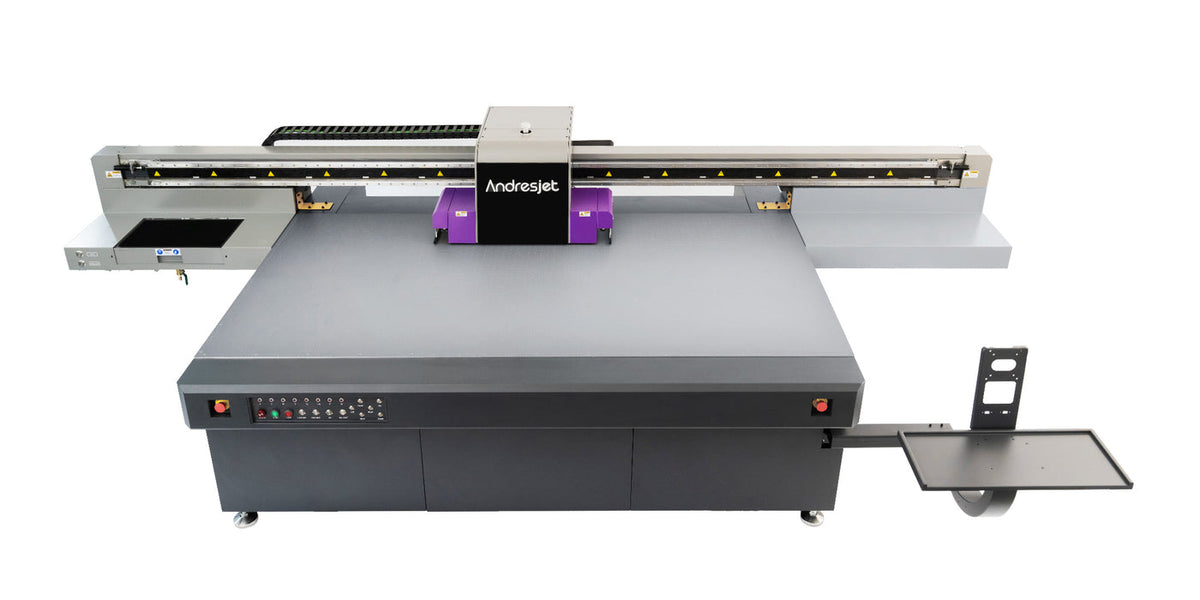
Who this guide is for (and who should skip it) This guide is for print shops routing a mixed order book that includes rigid panels, flat promotional products, drinkware, and other cylindrical parts. It helps production managers decide whether one...
- 0 comments
- by John White
How to Maintain Optimal Humidity Levels for UV Flatbed Printing

Maintain UV flatbed printing humidity within the range specified for the exact printer, ink and substrate, and keep conditions stable rather than chasing a universal percentage. Very dry air can increase static and nozzle-drying risk, while high humidity or rapid...
- 0 comments
- by John White
How Do You Print on Rubber with a UV Flatbed Printer?

A UV flatbed printer can decorate selected rubber parts when the tested ink system bonds to the actual compound and tolerates the required deformation. Clean the surface, secure the part without distorting it, use a safe head gap, print representative...
- 0 comments
- by John White
How Can You Achieve High-Gloss Finishes with a UV Flatbed Printer?
A high-gloss UV flatbed finish requires a smooth, compatible surface and a validated clear-ink workflow. Gloss is influenced by substrate texture, CMYK/white layer build, clear ink coverage, droplet leveling and curing timing. Increasing varnish or UV power without testing can...