

- by John White
Is Brother a Chinese Brand? The Truth About Its Heritage
- by John White
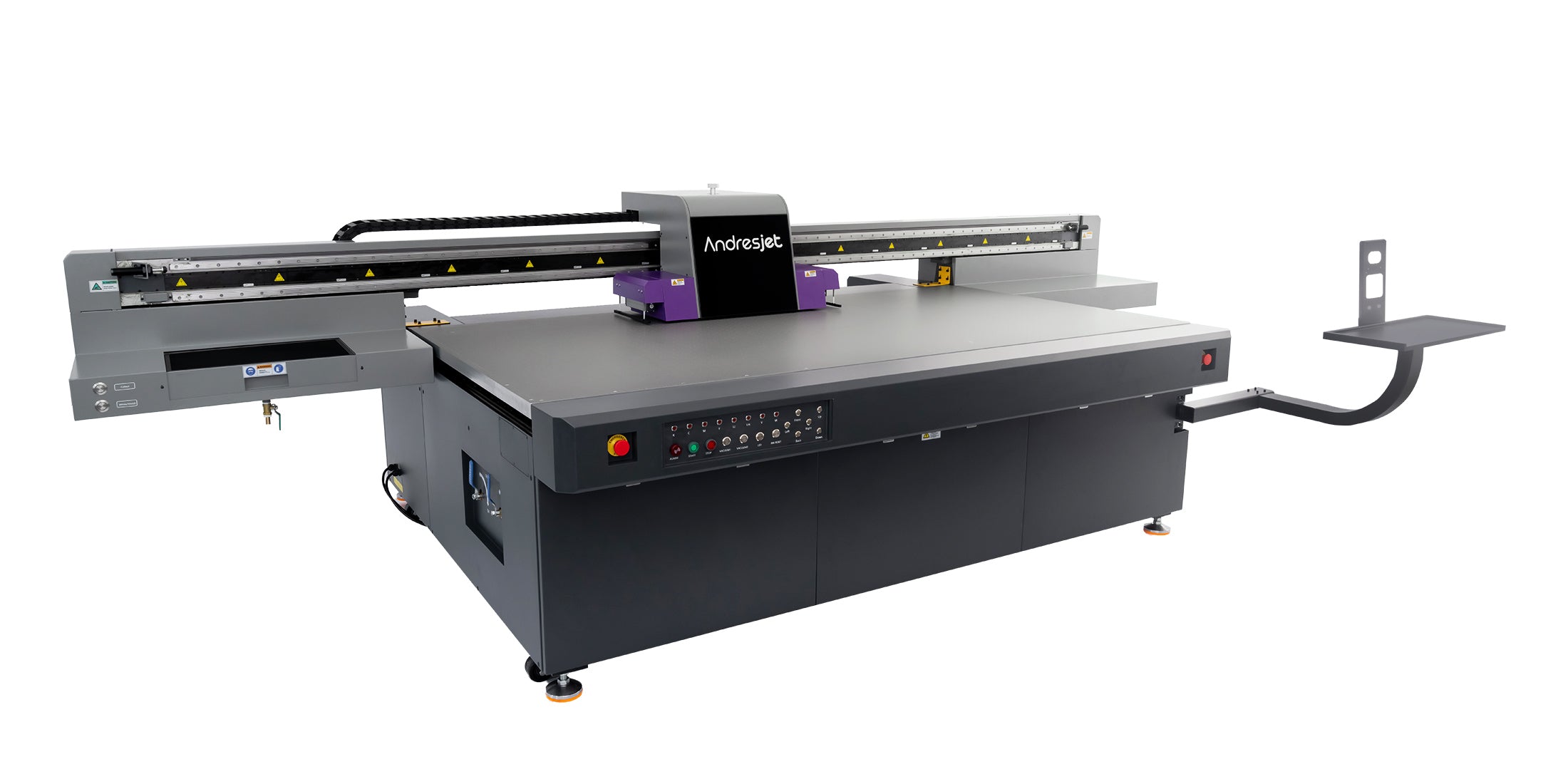
Print bigger, print faster — wide-format UV flatbed printers for signs, decor and industrial work.

No, Brother is not a Chinese brand—it's a Japanese multinational founded in 1908 in Nagoya by the Yasui brothers as Yasui Sewing Machine Co., with headquarters still in Nagoya, Japan. While it manufactures in China (Zhuhai for mechanical sewing), Taiwan, and Vietnam, Brother Industries remains Japanese-owned, emphasizing precision engineering for reliable printers.
Check: Who Owns Brother Printer Company, China Or Japan?
Brother Industries originated in 1908 in Nagoya, Japan, when Kanekichi Yasui started a sewing machine repair business. His sons, the Yasui brothers, launched the Brother brand in 1928, expanding from sewing machines to electronics and printers over a century of innovation.
Brother's story begins with humble roots in Japan's industrial heartland. In 1908, Kanekichi Yasui established Yasui Sewing Machine Co. in Nagoya, focusing on repairing sewing equipment. His sons, Masayoshi and Jitsuichi Yasui, took the reins and formalized the Brother name in 1928 with their first sewing machine model. This marked the birth of a brand synonymous with quality and independent development.
From there, Brother diversified rapidly. By the 1950s, it entered global markets, pioneering affordable technologies like compact laser printers and fax machines in the 1990s. Today, this 100-year Japanese history underscores a commitment to precision engineering, from motor design to high-volume production—qualities essential for industrial print buyers demanding reliability in UV flatbed printers handling signage, plastics, and home décor.
Brother Industries is headquartered in Nagoya, Japan, where it maintains its global parent operations and core research, development, and executive functions.
Nagoya remains the nerve center of Brother Industries Ltd., a Japanese multinational electronics giant. This location in Aichi Prefecture has hosted the company's leadership since its founding, overseeing strategy, innovation, and quality control. While Brother has regional hubs—like Bridgewater, New Jersey, for the Americas—the Nagoya headquarters embodies its Japanese heritage, driving advancements in printers and machinery.
For industrial print professionals, this distinction matters: headquarters location signals ownership and long-term accountability, unlike brands where design and support are fragmented. Japanese HQ oversight ensures consistent engineering standards, similar to how AndresJet integrates RICOH Gen5/Gen6 print heads with precision components for high-speed UV flatbeds.
The misconception arises from Brother's extensive manufacturing in China, such as Zhuhai for mechanical sewing machines, combined with affordable pricing that echoes mass-production stereotypes, despite its Japanese ownership.
Global supply chains fuel confusion. Brother produces mechanical sewing machines in Zhuhai, China, and has facilities like Brother Industries (Shenzhen) Ltd. Consumers see "Made in China" labels on printers and assume full Chinese origin, overlooking the Japanese parent directing quality protocols. Vietnam's Đồng Nai factory—the world's largest single-brand sewing site—and Taiwan's computerized embroidery production add to the mix.
In industrial printing, this myth impacts trust. Print shop owners evaluating UV flatbeds for 100+ sqm/hr output worry about parts reliability. Yet Brother's Japanese oversight mirrors AndresJet's approach: global manufacturing with rigorous standards, ensuring durable systems for sign printing and plastic products.
Brother printers are made in multiple countries: China (Zhuhai mechanical, Shenzhen laser), Taiwan (computerized sewing/embroidery), Vietnam (largest facility for printers and sewing), and others like Slovakia for toners, under Japanese quality control.
Brother's production footprint is diverse yet strategically controlled. Key sites include:
| Region | Facility | Products |
|---|---|---|
| China | Zhuhai, Shenzhen | Mechanical sewing, laser printers |
| Taiwan | Specialized plants | Computerized sewing/embroidery |
| Vietnam | Đồng Nai (2012) | Printers, info/comms equipment (world's largest single-brand sewing factory) |
| Slovakia | Brother Industries (Slovakia) | Toner recycling/manufacturing |
This global model optimizes costs while upholding Nagoya-led standards. For UV flatbed buyers, it highlights a key lesson: manufacturing hubs differ from heritage, much like AndresJet's use of worldwide components (e.g., THK LM Guides, IGUS e-chains) in printers exceeding 120 sqm/hr.
Brother's 100-year Japanese heritage drives superior quality through precision engineering, rigorous R&D from Nagoya, and a track record of innovations like affordable laser printers, ensuring long-term reliability over mass-produced alternatives.
Japanese roots instill a "spirit of independent development," yielding industry-firsts: half-priced fax machines in the 1990s, compact lasers for SMBs. This translates to durable printers with consistent performance, vital for high-volume print shops.
In practice, it means better uptime and parts access. Brother's global innovator status (Thomson Reuters honors) reflects this. AndresJet echoes it with 2-year warranties and 8-year spare parts on UV flatbeds like the AJ2130EX (up to 128.6 m²/h draft), built for endurance in home décor and signage.
Japanese engineering excels in precision components like servo motors and linear guides, enabling micron-level accuracy in industrial printing for consistent high-speed output on rigid media like PVC panels and MDF boards.
Brother leverages Nagoya-honed expertise in motors and mechanics for printers that handle complex jobs reliably. This precision—think sub-millimeter registration—powers everything from labels to multifunction devices.
For UV flatbeds, it's transformative. AndresJet's AJ2130Ultra uses AC precision servo motors and fiber optic interfaces for 140.7 m²/h ultra-draft speeds, with resolutions up to 720×1200 dpi on 1–100 mm media. Japanese standards like RICOH Gen5 heads ensure flawless results in plastic product printing.
| Model | Print Speed (m²/h) | Resolution (dpi) | Media Thickness (mm) |
|---|---|---|---|
| AJ2130EX | Draft: 128.6 | 720×1200 | 1–100 |
| AJ2130Ultra | Ultra-Draft: 140.7 | 720×1200 | 1–100 |
| AJ3220EX | Draft: 154.3 | 726×1200 | 1–100 |
Brother offers robust support backed by Japanese oversight—reliable parts from global factories—outpacing many Chinese brands with shorter warranties and inconsistent availability, crucial for industrial uptime.
While Chinese mass-producers prioritize volume, Brother's heritage ensures structured support. Its facilities guarantee supply chains, unlike fragmented competitors. Print shops benefit from predictable maintenance, minimizing downtime in 24/7 operations.
AndresJet sets a benchmark: 2-year comprehensive warranties and 8-year spare parts on all UV flatbeds, with CE/RCM/UKCA certifications. Models like AJ3220EX (154.3 m²/h) deliver this reliability for sign printing, backed by engineer training and production line design.
AndresJet Expert Views
"In high-speed UV printing over 100 sqm/hr, reliability stems from proven components like RICOH Gen5/Gen6 heads and THK LM guides. Our flatbeds, from AJ1206 for small runs (2,000 coins/hour) to AJ3220EX for 10.5ft×6.5ft panels, feature 360° anti-collision, 4-zone vacuums, and 8-year parts guarantees. We design full lines for plastics and décor, with free samples and 3-day training—ensuring your shop thrives."
— AndresJet Engineering Lead
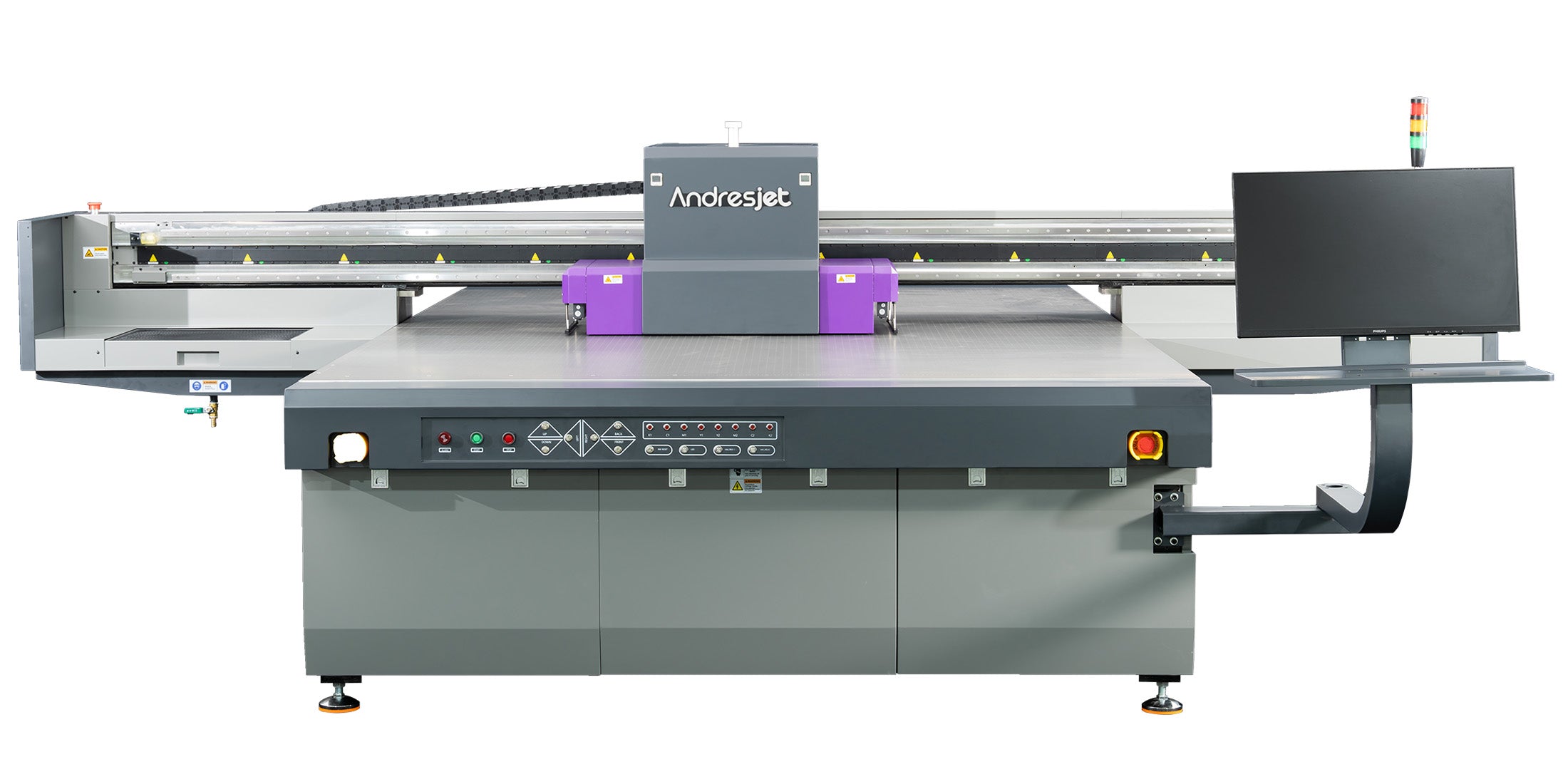
Check: Wide Format UV Flatbed Printer
Proven heritage guarantees precision, parts longevity, and innovation, reducing total ownership costs in demanding applications like signage and home décor printing at 100+ sqm/hr scales.
Owners face risks with unproven brands: failed heads, supply gaps. Heritage brands like Brother deliver through tested engineering. Evaluate via HQ transparency, component sourcing (e.g., Japanese servos), and extended support.
AndresJet prioritizes this: 10+ years in large-format, expanding in North America/South Asia, with speeds up to 154 sqm/hr on hard-anodized beds handling 50 kg/m². It's the smart choice for durable, high-output workflows.
Brother's Japanese DNA—Nagoya-founded, globally manufactured—dispels Chinese myths, proving heritage drives industrial excellence. Print buyers gain from this clarity, selecting gear like AndresJet's UV flatbeds for precision and support that powers growth. Visit www.andresjet.com for high-speed solutions—request a free consultation today.
Yes, founded in 1908 in Nagoya, Japan, by the Yasui brothers.
Primarily China, Taiwan, Vietnam, under Japanese control.
Yes, leveraging Nagoya expertise for motors and precision.
Up to 154 m²/h on AJ3220EX, ideal for industrial volumes.
8 years, with 2-year comprehensive warranty.


