

- by John White
What Causes Defects on Corrugated Plastic UV Prints?
- by John White
Print bigger, print faster — wide-format UV flatbed printers for signs, decor and industrial work.

Defects in corrugated plastic sign production should be classified before settings are changed. Stop and label affected output, compare it with the last accepted sample, verify material and file identity, map where the defect repeats, then test one controlled variable. Adhesion loss, banding, color shift, pinholes, pooling, warping and handling damage have different causes and require different evidence.
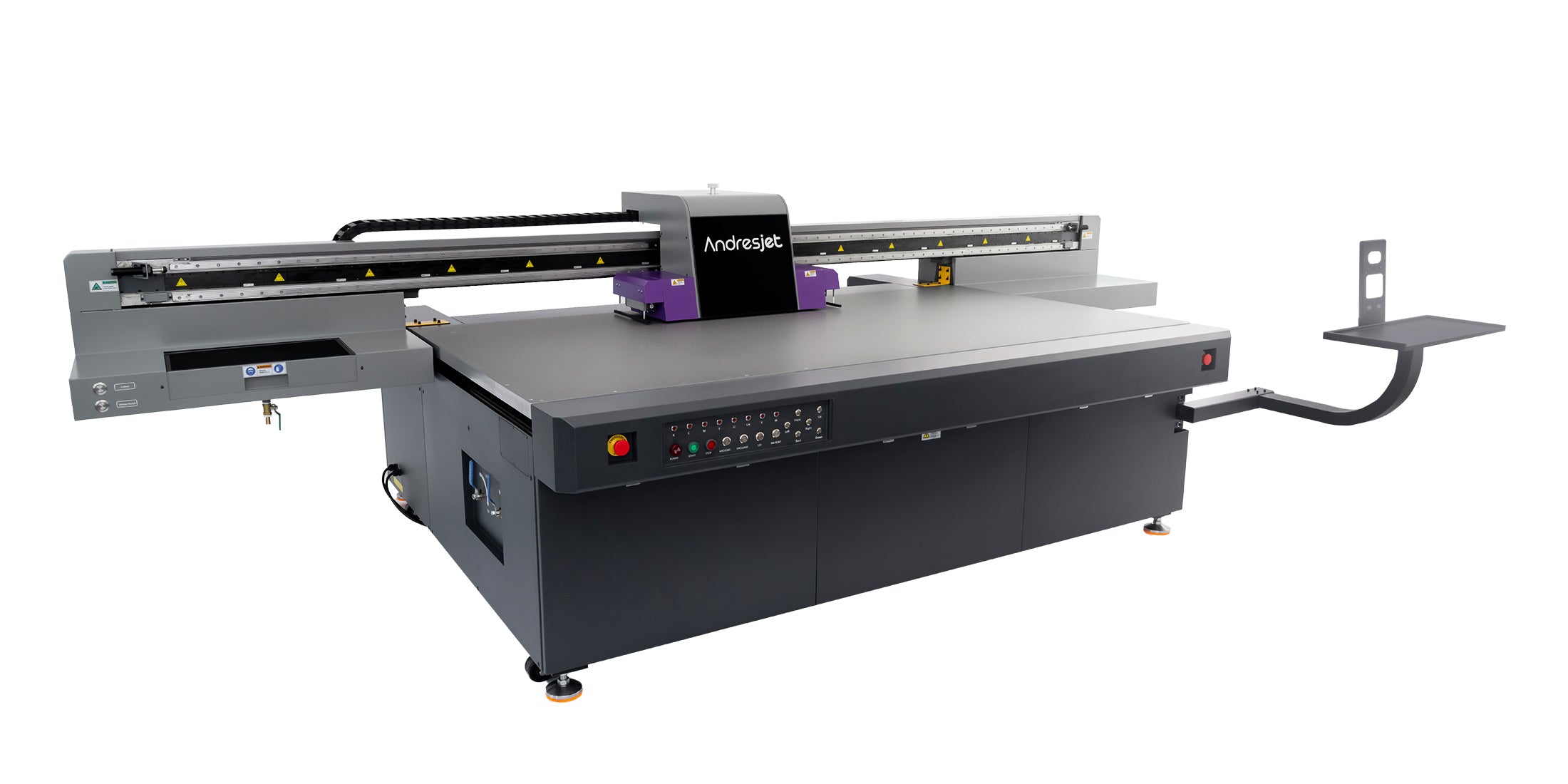
A defect map should identify type, location, direction, frequency and the first production stage where it appears. A mark repeated at the same carriage position suggests a different investigation from damage repeated at a stacking edge or variation that follows the material surface. For corrugated plastic, map the defect against flute direction and load orientation.
For corrugated plastic sign production, flute lines, board warp, inconsistent surface treatment and static can create patterns that resemble printer defects. Preserve the failed sheet, last good sheet, material label and production file before cleaning the evidence away.
Adhesion loss can originate from contamination, a weak coating, unsuitable preparation, excessive deposit, cure mismatch or premature handling. Compare a control and identify whether the ink, interface or substrate coating failed. Do not add primer and cure energy simultaneously. Board warp and static should be checked before color correction.
The operational consequence is not limited to rejection at the printer: weak output can fail during cutting, packing, installation or customer cleaning. Prevention is a qualified surface recipe plus an application-specific handling test. Cut-edge failure belongs in the converting investigation.
Banding and color variation require checks of file, RIP preset, approved maintenance condition, print mode, substrate background and environment. Follow the manufacturer’s approved nozzle and maintenance procedure rather than improvising aggressive cleaning. Separate printer-related evidence from material-treatment variation.
Compare against the same reference under stable viewing conditions. If the effect follows a material lot or surface zone, changing the ICC profile first may hide rather than solve the process variation. For corrugated plastic, map the defect against flute direction and load orientation.
Pinholes and pooling can follow dust, surface-energy variation, rough texture or an unsuitable ink deposit. Warp can change head clearance and focus; post-print cutting, stacking and fastening can introduce scratches or edge lift. Heat-related distortion or clearance change should be treated as a material-and-process risk, not merely a cosmetic defect.
Reduce the investigation to one variable: cleaned control, alternative preparation, verified print mode or verified cure condition. Record the result before moving to the next branch. Board warp and static should be checked before color correction.
| Defect | First evidence to check | Controlled action |
|---|---|---|
| Peeling or edge lift | Surface, coating, preparation | Compare approved control |
| Banding | File, mode, nozzle check | Restore documented condition |
| Color shift | Material lot, profile, viewing | Compare retained reference |
| Pinholes or pooling | Dust, texture, deposit | One preparation or mode test |
| Warping or scratches | Heat, clearance, handling | Simulate production handling |
Use this order: stop and identify affected output; preserve the last accepted reference; confirm file and material; map the defect; inspect preparation and loading; perform the approved maintenance check; verify RIP and print recipe; change one variable; repeat the limiting test; document release or rejection. Cut-edge failure belongs in the converting investigation.
Production should stop when a repeated defect can affect acceptance, traceability, safe clearance or downstream converting. Continuing to print while experimenting increases the suspect quantity and weakens root-cause evidence. Separate printer-related evidence from material-treatment variation.
If the defect persists under the approved file, material, preparation and maintenance condition, review application and configuration fit through the AndresJet application collection. The relevant AndresJet product page supports a model-specific discussion and controlled sample request.
AndresJet can help define the test sequence, but a remote description cannot establish the cause without the specimen, material lot, file, configuration and production record. That limitation should remain visible in any corrective-action report. For corrugated plastic, map the defect against flute direction and load orientation.
For B2B production, the defensible decision is the one supported by identified material, controlled artwork, a documented print recipe, representative samples and written acceptance criteria. Ask the UV printer manufacturer which specifications are published, which configuration points remain application-specific, how the sample will be evaluated, and what commissioning, operator training, spare-parts planning and After-Sale Service are included. AndresJet can review the application and arrange a sample test, but the final process must be approved on the buyer’s production material and real artwork. Board warp and static should be checked before color correction.
For the complete decision path, continue with the UV printer downtime and recovery guide.
Check board flatness, surface structure, loading and print direction before treating the pattern as a nozzle problem.
Cutting can concentrate stress at a weak ink-to-surface interface. Test the approved preparation and the real converting sequence.
No. Excessive energy or heat can distort sensitive sheet and does not correct contamination, file errors or unstable loading.


