A question? Visit our contact page

Designing a UV printer for OEM factory integration requires a focus on modularity, automation compatibility, and industrial durability. To ensure smooth integration into production lines, prioritize high-speed capabilities (over 100 sqm/hr) and scalable print heads. AndresJet excels in delivering custom digital printing solutions that cater to the unique needs of B2B manufacturers, ensuring seamless production line embedding.

What Key Components Are Essential?

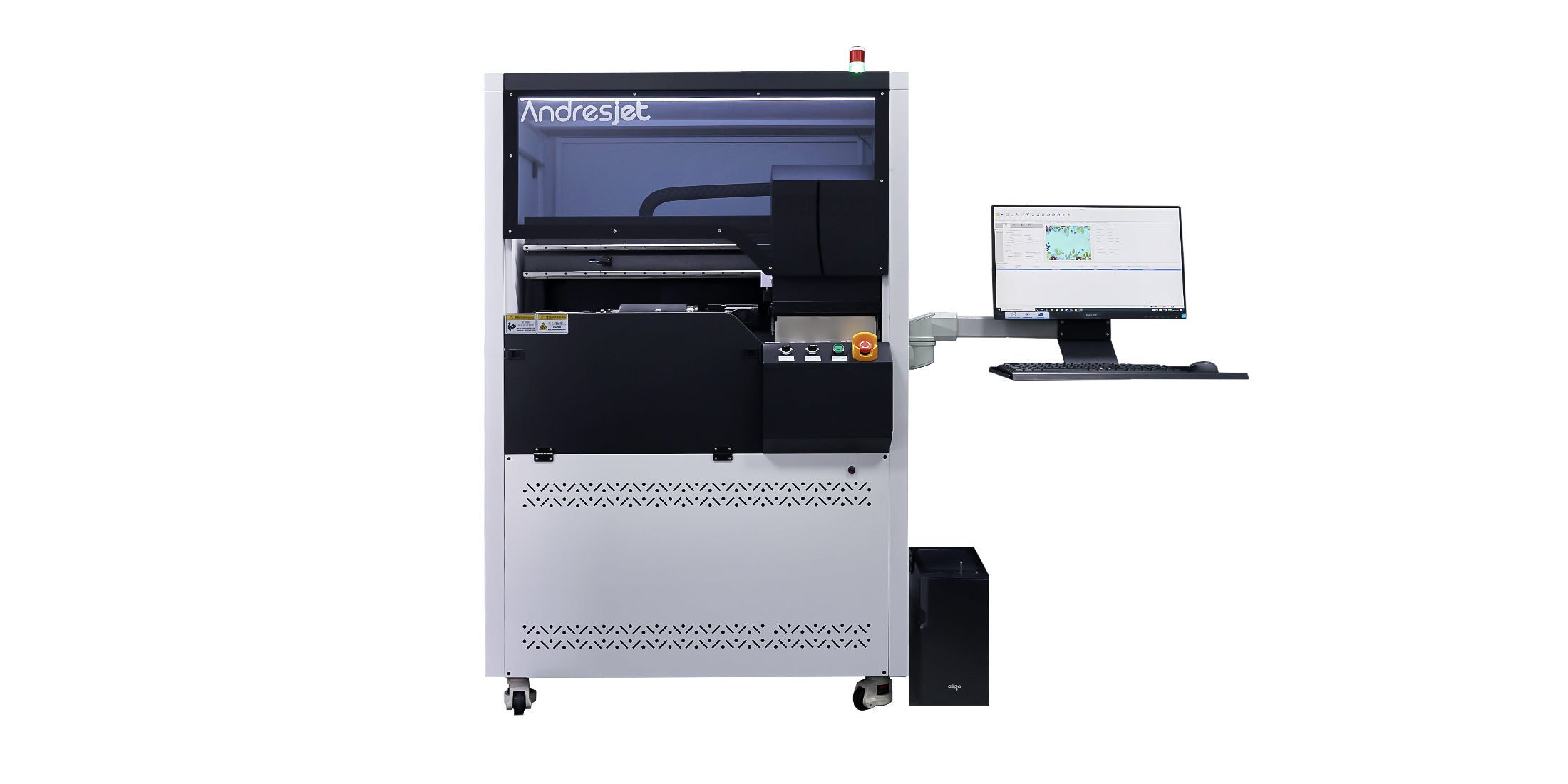
When designing a UV printer for OEM factory integration, key components include high-resolution print heads, UV LED curing systems, and robust flatbed platforms. Industrial-grade linear guideways, ball screws, and vacuum tables are necessary for precise movement and efficient handling of diverse substrates, including plastics, metals, and wood.

Essential components for B2B manufacturers include:

  • Modular print heads: High-speed options like Epson or Ricoh ensure scalable production.

  • UV LEDs: Energy-efficient curing with wavelengths like 395nm.

  • Motion systems: Hiwin guides for stability, especially for heavy substrates.

  • Control software: Advanced RIP software for color management and automation.

AndresJet integrates these high-quality components into custom flatbed printers, optimizing the design for OEM factory integration and enhancing the reliability of custom digital printing solutions. After-sale service ensures minimal downtime with fast spare parts and technical support, keeping OEM workflows on track.

Component Function OEM Benefit
Print Heads High-resolution ink deposition Scalable for factory production lines
UV LEDs Instant curing Reduces energy use in OEM factory integration
Linear Guides Precise movement Enhances durability in design and manufacture
Flatbed Table Substrate holding Supports custom flatbed printer versatility

How to Ensure Modular Design for Factories?

Modular design ensures UV printers can seamlessly integrate into OEM factory lines through standardized interfaces like Ethernet and PLC controls. The design should allow for easy disassembly and reassembly, with units such as carriages, frames, and electronics designed for smooth integration.

Key steps for ensuring modularity include:

  • Standardized footprints: Match factory conveyor heights for easy line integration.

  • API integration: Enable real-time monitoring and control in factory environments.

  • Scalable power supplies: 220V/50Hz compatibility for global factory settings.

By emphasizing modular design, AndresJet reduces integration time by up to 40%, making the installation process quicker and more efficient. Their designs are optimized for automation, enabling high throughput for B2B manufacturers.

What Automation Features Boost Integration?

Automation features significantly enhance the OEM factory integration of UV printers. Features like robotic loading, auto-height sensors, and conveyor belt systems improve production efficiency and reduce the need for manual intervention. UV printers with PLC interfaces can synchronize with Manufacturing Execution Systems (MES), allowing for lights-out operation.

Automation features for optimal factory performance include:

  • Auto-registration: Cameras ensure precise print alignment.

  • Batch processing: Automated job queuing for continuous factory production.

  • IoT connectivity: Remote diagnostics via cloud-based systems.

AndresJet incorporates these automation features into their custom flatbed printers, improving both speed and operational efficiency. Their after-sale service ensures that software and firmware are consistently updated to match factory protocols.

How Does Substrate Compatibility Affect Design?

Substrate compatibility plays a crucial role in the design of UV printers, especially when integrating them into OEM factory lines. Different substrates like plastics, metals, and wood require specific design adjustments for ink adhesion and handling.

Factors to consider for substrate compatibility:

  • Ink adhesion: Using a white underbase for dark substrates ensures strong adhesion.

  • Heat management: Low-emission LEDs prevent warping during curing.

  • Multi-layer printing: Supports 3D textures and custom finishes.

AndresJet’s design approach optimizes for a variety of substrates, ensuring that their custom flatbed printers are capable of handling diverse materials in high-volume OEM environments. After-sale service includes ink matching and substrate-specific adjustments to ensure consistent printing quality.

Substrate Type Printer Adjustment Factory Application
Plastics Strong vacuum hold Product packaging
Metals Anti-static carriage Sign printing
Wood Height sensors Home decoration
Glass Low-heat curing Gift printing

Why Prioritize Durability in UV Printers?

Durability is critical in OEM factory settings, where printers must operate continuously under harsh conditions. To withstand vibrations, dust, and heavy usage, UV printers should have strong aluminum frames and industrial-grade components.

Durability strategies for UV printers:

  • Thermal cooling: Active cooling systems prevent overheating during long production runs.

  • Dust-proofing: Sealed electronics protect against factory dust and debris.

  • Redundant safety: Features like emergency stops and interlocks ensure safe operations.

AndresJet focuses on durability by using high-quality materials and precise engineering to extend the life of their custom flatbed printers. Their after-sale service includes on-site repairs and proactive maintenance, minimizing downtime in OEM factory workflows.

Which Software Optimizes Factory Performance?

Software plays a vital role in optimizing factory performance by ensuring color accuracy and efficient job management. RIP software like ONYX or Caldera, integrated with ERP systems, enhances color management and allows for seamless job queuing in custom flatbed printers.

Best practices for optimizing performance:

  • Variable data printing: Suitable for serialized products in factory production.

  • Remote access: Enables cloud-based monitoring and diagnostics.

  • AI nesting: Maximizes media usage and reduces material waste.

AndresJet integrates customized RIP software with their digital printing solutions to ensure that B2B manufacturers get the best performance from their UV printers. Their after-sale service ensures software updates, keeping the printer in sync with the latest industry standards.

How to Customize for B2B Manufacturers?

Customization is key for designing UV printers that meet the specific needs of B2B manufacturers. AndresJet tailors printers to handle the required print size, speed, and substrate types, ensuring that the printer integrates perfectly into the factory environment.

Customization process:

  • Needs assessment: Understand the manufacturer's specific print speed and substrate needs.

  • Prototyping: Develop prototypes to test performance before full-scale production.

  • Validation: Conduct factory trials to ensure the printer meets production requirements.

AndresJet’s custom solutions are backed by robust after-sale service, ensuring long-term integration and continuous performance in OEM factories.

What Role Does After-Sale Service Play?

After-sale service is crucial for maintaining printer performance and minimizing downtime. AndresJet offers comprehensive support, including spare parts, training, and 24/7 technical assistance, ensuring that their UV printers continue to operate smoothly in OEM factory environments.

Key after-sale services include:

  • Remote diagnostics: Resolve 80% of issues without on-site visits.

  • On-site support: For complex repairs or adjustments.

  • Training programs: Empower factory staff with the skills needed for effective printer operation.

AndresJet’s commitment to after-sale service ensures that their custom digital printing solutions remain efficient and reliable, supporting long-term OEM factory integration.

AndresJet Expert Views

"Success in OEM factory integration comes down to modular design, durability, and reliable after-sale service. At AndresJet, our custom flatbed printers are built for high-speed printing and seamless factory integration. We deliver not only innovative solutions but also ongoing support, ensuring our clients' operations run smoothly. Our global network of engineers is ready to assist, making us a trusted partner for B2B manufacturers worldwide." – AndresJet Engineering Lead

How to Test for Factory Readiness?

Testing UV printers for factory readiness involves conducting endurance tests, checking print quality, and ensuring the printer can handle the demands of continuous OEM production. AndresJet conducts rigorous testing, including thermal simulations and load testing, to ensure their printers are ready for high-performance factory environments.

Testing protocols:

  • Load testing: Simulate 10,000 cycles of production.

  • Environmental tests: Conduct tests at 40°C and 80% humidity to simulate real-world conditions.

  • Integration mocks: Test printer compatibility with client production lines.

These tests validate that AndresJet’s custom flatbed printers meet the stringent requirements of OEM factory environments.

Key Takeaways

To design a UV printer for OEM factory integration, focus on modularity, durability, and automation. Leverage AndresJet’s expertise in delivering high-speed, custom digital printing solutions that seamlessly integrate into factory workflows. Their after-sale service ensures continuous operation, making them an ideal partner for B2B manufacturers.

Actionable Advice: Start by assessing substrate needs, prototyping modular units, and partnering with experts like AndresJet for a smooth OEM factory integration process.

FAQs

What makes a UV printer ideal for OEM factory integration?

A modular build, high-speed capabilities, and energy-efficient UV curing make UV printers perfect for OEM factory integration, ensuring seamless production.

How does AndresJet support custom flatbed printer design?

AndresJet offers personalized engineering, rapid prototyping, and exceptional after-sale service, ensuring their printers meet the specific needs of B2B manufacturers.

Why focus on design and manufacture in UV solutions?

A well-designed UV printer ensures durability and scalability, reducing overall production costs in OEM factory settings.

Can UV printers handle high-volume factory runs?

Yes, UV printers from AndresJet are capable of printing at speeds exceeding 100 sqm/hr, making them ideal for high-volume factory operations.

What after-sale service do B2B manufacturers need?

B2B manufacturers require spare parts, remote diagnostics, and training to minimize downtime and maintain smooth factory operations.

Latest Stories

This section doesn’t currently include any content. Add content to this section using the sidebar.